%20Ltd_Gold.png)
 Facebook
 X
X
 Pinterest
 Copy Link
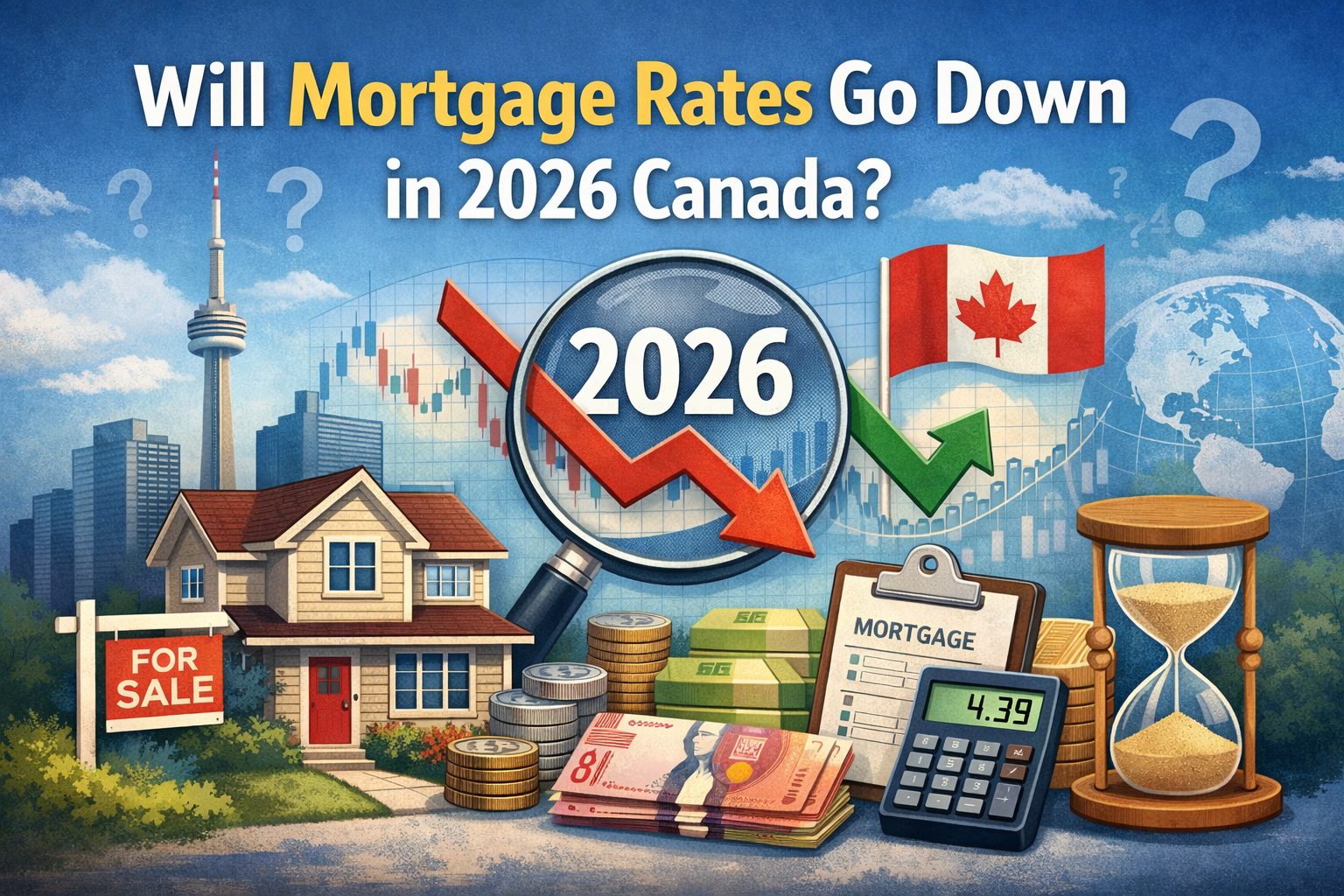
GUEST BLOG by Ashleigh Holtman, Mortgage Broker: Will Mortgage Rates Go Down in 2026? Here’s What You Need to Know
One of the most common questions I get from clients is: “Will mortgage rates go down?” It’s a fair question. Rates have been fluctuating recently, influenced by inflation, global events like the conflict in Iran, and overall economic uncertainty. Many people worry about overpaying for their mortgage or making a move at the wrong time. The truth is, while we can analyze trends and make educated guesses, no one can predict rates with certainty.
From my experience, trying to time the market rarely works. I always tell my clients: buy when you’re ready. Your finances, your life situation, and your comfort level should dictate the timing of your purchase – not trying to chase the “perfect” interest rate. Waiting for rates to drop can backfire, sometimes costing thousands more in interest if rates rise instead.
I’ve seen this play out firsthand. A client of mine was ready to put in an offer, and we went through several different scenarios together. I suggested putting in a rate hold to lock their rate, but they declined. A few weeks later, rates went up, and because they waited, both their interest rate and their monthly payment increased. That experience reinforced a key lesson I share with every client: readiness beats timing.
To make this even clearer, let’s break it down with a scenario using a minimum down payment, including mortgage default insurance:
- Home price: $500,000
- Minimum down payment: 5% ($25,000)
- Mortgage amount: $475,000
- Mortgage default insurance (CMHC ~4.0%): $19,000
- Total mortgage including insurance: $494,000
- Initial rate offered: 3.99%
- New rate if waiting a few weeks: 4.39%
-
Monthly payment: ~$2,350
-
Monthly payment: ~$2,460
That’s about a $110/month increase – or over $6,500 more in payments and $9,400 more in interest over a 5-year term.
And this is exactly my point: even a small shift in rates can have a meaningful impact, especially when you’re purchasing with a minimum down payment and financing a larger amount.
Another misconception I encounter constantly is that the lowest rate is the best rate. This isn’t true. Your mortgage needs to work for your life, your budget, and your goals. Sometimes a slightly higher rate comes with flexibility, better terms, or options that actually save you money long-term. The “best” mortgage is the one that fits your situation – not just the one with the lowest percentage.
Looking ahead in 2026, there are a few factors to watch. Inflation is a big one. If it continues to rise, the Bank of Canada may raise its overnight rate to control it, which would put upward pressure on variable rates. Fixed rates, on the other hand, are driven by the bond market and can move quickly based on economic expectations and global uncertainty.
The reality is, rates may go down – but they may also go up before they do. And trying to wait for the “perfect” moment often leads to missed opportunities or higher costs.
So what does this mean for you? Focus on what you can control. Your income, your budget, your comfort level, and having a solid plan in place. Get pre-approved, understand your options, and make a decision based on your readiness – not headlines!
In the end, 2026 will bring movement in rates. It always does. But the clients who do best aren’t the ones who perfectly time the market, they’re the ones who are prepared and make informed decisions when the timing is right for them.
Ashleigh Holtman with Mortgage Architects
C: 250-365-9516
E: ashleigh@holtmansmortgages.ca
W: holtmansmortgages.ca